Winter Garden Wisdom: Busting Common Myths!
As frigid air moves in and we hunker down indoors, it’s the perfect time to reflect on our gardening practices. But with all the advice out there, it’s easy to get caught up in common gardening myths that circulate every winter. Let’s clear the air and get to the root of some of these winter garden misconceptions!
Myth #1: “You can’t do anything in the garden during winter.”
The Truth: While it’s true that active planting and major overhauls are best left for warmer months, winter is far from a gardening dead zone! This is prime time for planning and preparation.
- Tool Maintenance: Sharpen your pruners, clean your trowels, and oil your tools. A little love now means they’ll be ready to go when spring arrives. Think of it as a spa day for your gardening gear!
- Learn: Dive into magazines, books, articles, and YouTube. If there’s a particular plant you’ve always wanted to grow or that always gives you trouble – read up on it. Dream up your perfect spring and summer gardens. This is where the magic begins – visualizing your future blooms and harvests!
- Daydream: “Anyone who thinks that gardening begins in the Spring and ends in the Fall is missing the best part of the whole year; for gardening begins in January with the dream.” – Josephine Nuese
Myth #2: “Snow is always good/bad for your plants.” (This myth seems to go both ways!)
The Truth: In general snow is a positive in Central Virginia; however, a heavy snow can actually cause damage.
- Heavy Snow Load: Deep, heavy snow can break branches on shrubs and trees, especially evergreens. Gently brush off excess snow from delicate branches if you can safely do so.
- Snow = Winter’s Irrigation: A slow soaking watering is a plant’s preferred “drink”. Rain tends to run off and not soak as deeply. On the other hand, melting snow is the ideal watering method!
For more on the pro’s & cons of snow click here to read our blog “Is snow good or bad for lawns and landscapes?”
Myth #3: “Fertilizing in winter is a waste of time.”
The Truth: For some plants, yes, fertilizing in winter is unnecessary and can even be harmful as they are dormant. However, there are exceptions!
- Indoor Plants: Your houseplants are still growing, albeit slower. They can benefit from an application of a balanced slow-release fertilizer during their active growth period, which for many indoor plants continues through winter.
- Evergreens: A slow-release fertilizer applied in very late winter or very early spring can be beneficial. Always check your specific plant’s needs.
- Lawns: A high nitrogen fertilizer applied anytime in December or January will go all to root growth and give your lawn the nutrients it needs for a good green up in the spring!
Myth #4: “You should heavily prune everything in winter.”
The Truth: While winter is a good time for pruning some plants, it’s not a universal rule.
- Dormant Pruning: Most deciduous trees and shrubs benefit from dormant pruning. This is when you can clearly see the plant’s structure and remove dead, diseased, or crossing branches.
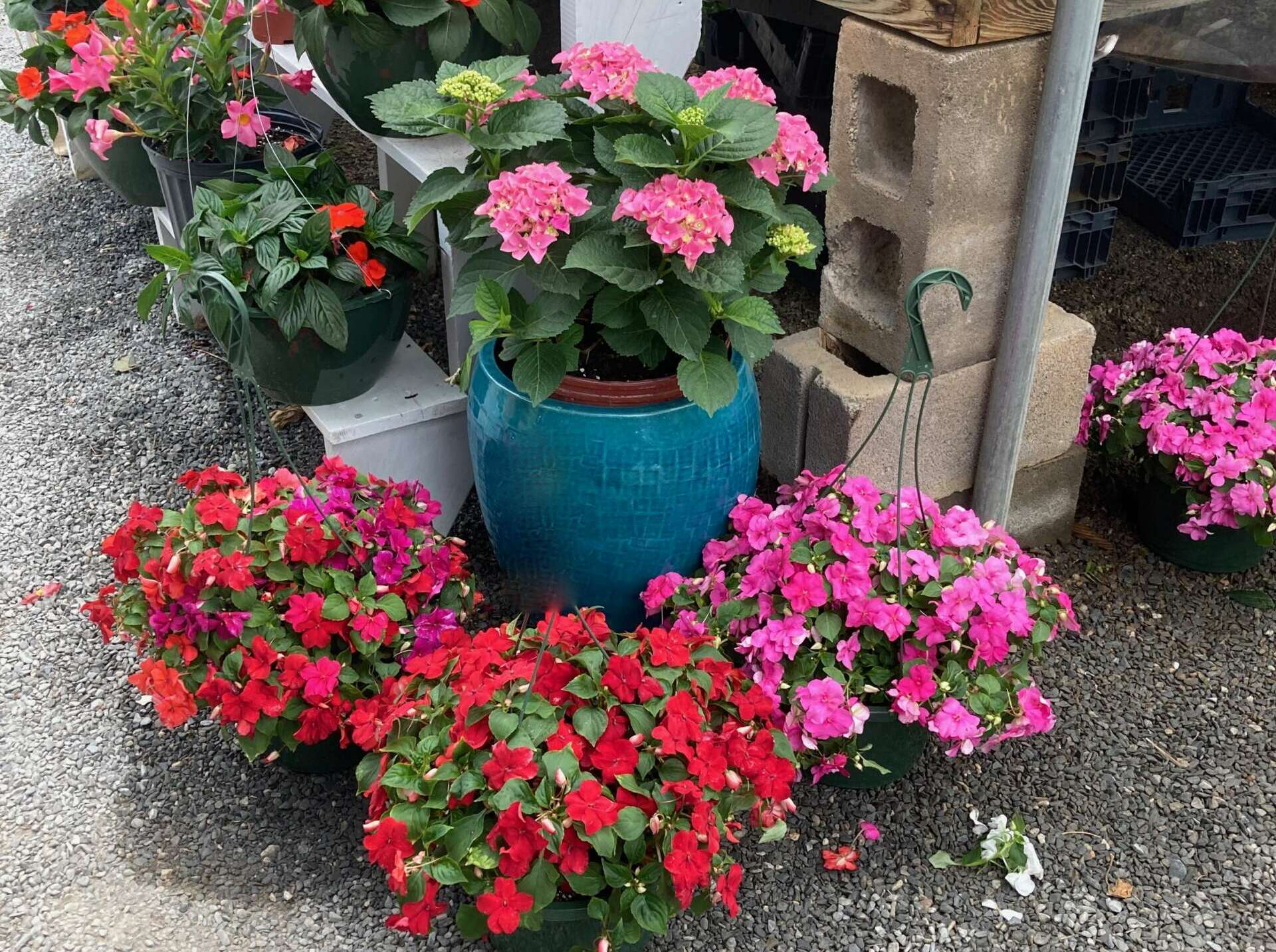
- Avoid Pruning Spring Bloomers: Be careful not to prune plants that bloom on old wood (like Lilacs, Forsythia, Camillias, and some varieties of Hydrangeas) in winter, as you’ll be cutting off the flower buds!
By understanding the realities behind these common winter gardening myths, you can make informed decisions and ensure your garden is well-prepared for a vibrant spring and rewarding summer. Happy planning, and happy dreaming of warmer days!