When it comes to gardening success, plants get most of the attention—but great gardens start with great soil. One of the most common questions we hear is, “Which soil should I use?” The answer depends on what you’re planting and where you’re planting it.
Here’s a simple guide to the most common soil types and when to use each.
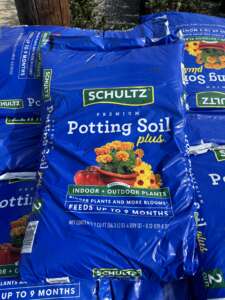
Potting Mix / Potting Soil
Best for: Containers and raised planters
Potting mix is lightweight, well-draining, and designed for roots growing in confined spaces. It typically contains ingredients like peat or coco coir, bark, and perlite.
Use it when:
- Planting in pots, planters, or hanging baskets
- Growing houseplants
- Filling container gardens
Tip: Never use garden soil in containers—it compacts too easily and can suffocate roots.
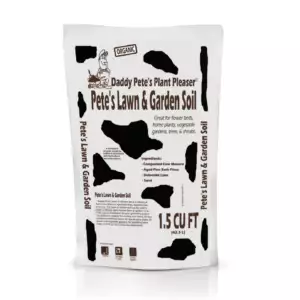
Garden Soil / Planting Mix
Best for: In-ground planting
Garden soil is designed to improve native soil already in your yard. It adds organic matter, helps with drainage, and improves structure—but it’s not meant to be used alone in containers.
Use it when:
- Planting flowers, vegetables, trees, or shrubs directly in the ground
- Amending poor or compacted soil
- Preparing new garden beds
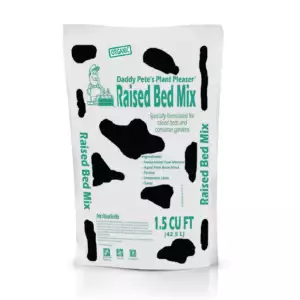
Raised Bed Mix
Best for: Raised beds and large planters
This is a blend made specifically for raised beds, combining good drainage with enough nutrients to support long-term plant growth.
Use it when:
- Filling raised vegetable or flower beds
- Planting in deep troughs or elevated planters
- Starting a new raised bed garden
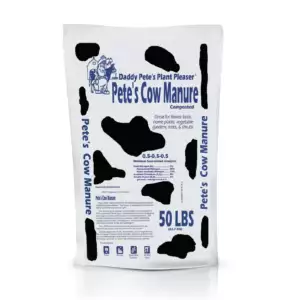
Compost
Best for: Soil improvement
Compost isn’t a soil replacement — it’s a soil booster. It improves structure, feeds beneficial microbes, and adds nutrients naturally. Composted Cow Manure is most popular.
Use it when:
- Mixing into garden soil or raised bed mix
- Refreshing beds between seasons
- Improving soil health year after year
Topsoil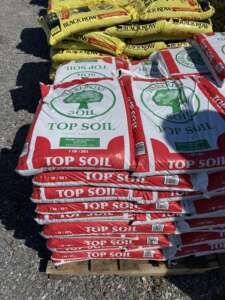
Best for: Filling and leveling
Topsoil is primarily used as a base material. On its own, it doesn’t contain many nutrients, and is typically a poor quality soil.
Use it when:
- Filling low spots in the yard
- Creating new garden beds (mixed with compost)
- Improving soil depth before planting
Specialty Soils
Some plants have specific needs, and specialty soils are formulated just for them.
Examples include:
- Cactus & succulent mix – fast draining
- Orchid mix – chunky and airy