If your lawn has turned brown this summer, you’re probably wondering: Is my grass dead, or is it just thirsty?
The good news is that, in many cases, that brown lawn is doing exactly what it was designed to do.
Here in Central Virginia, our cool-season tall fescue lawns can take a beating when heat and drought arrive. Rather than continuing to grow and use precious water, established turf slow down and may enter a simi-dormant that allows the grass to conserve moisture until conditions improve.
Think of it this way: a brown lawn isn’t necessarily a failed lawn. It may simply be a lawn taking a break until Mother Nature turns the water back on.
So, before you drag the sprinkler out and try to turn your lawn green again, here are a few things to know.
🤔 Brown Doesn’t Always Mean Dead
An established lawn can survive surprisingly long periods of dry weather. As moisture becomes scarce, the grass stops producing new growth and its color fades from green to brown or straw-colored.
That doesn’t necessarily mean the grass is dead. When significant rainfall finally returns, stressed turf can often green back up surprisingly quickly.
One way to tell whether your lawn is under serious moisture stress is to look for “footprinting.” Walk across the grass and look behind you. If the blades remain flattened instead of springing back upright, the lawn is showing signs that it needs water.
💦 If You Water, Water Wisely and Deeply
If you decide to water your lawn during a drought, deep and infrequent watering is much better than a little water every day.
A quick sprinkle may make the grass look better for a day, but it doesn’t do much to replenish the moisture in the soil. Frequent, shallow watering encourages grass roots to remain close to the soil surface, where they dry out more quickly. Excessive watering contributes to nutrient and pesticide runoff. Instead, the goal is to thoroughly moisten the root zone so that roots can access moisture deeper in the soil.
While there’s no magic number of minutes that works for every lawn, a good rule of green thumb is about an inch of water per week, including rainfall. Your soil type, slope, sprinkler and weather all make a difference. If you see water running down the driveway or collecting in low spots, you’re watering faster than your soil can absorb it. Randomly throw a pie pan or two out in the yard. When they have an inch of water, you’ll know you put enough (shallow pie pans are typically about 1 deep)!
Water slowly enough that the soil can actually soak it up. That’s much more useful than watering a little bit every day.
The Best Time to Water? Early Morning
If you are going to water, set those sprinklers for the early morning hours—ideally around sunrise.
Morning watering reduces evaporation and minimizes the effects of wind, allowing more of the water to actually reach the soil. Watering at night can leave grass blades wet for hours and increase the risk of fungal diseases.
Don’t Mow a Stressed Lawn Like Normal
During extreme drought, give your lawn a break.
Avoid mowing when the grass and soil are severely stressed, and when you do mow, keep your grass on the taller side of its recommended mowing height. Taller grass provides more shade for the soil, reduces moisture loss, and encourages deeper roots.
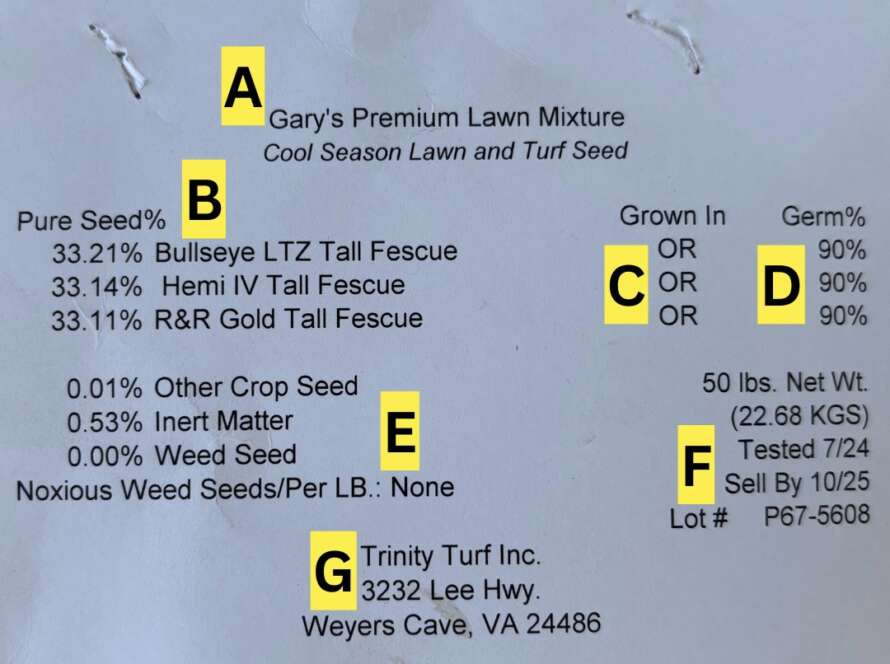
For tall fescue, the most common cool-season lawn grass in our area, Gary’s recommends keeping your lawn around 3 to 4 inches tall during the growing season, especially when conditions are hot and dry.
Avoid mowing in the heat of the day and always keep that mower blade sharp. A clean cut puts less additional stress on already struggling grass.
🍂 And Then Comes Fall…
One of the best things about September in Virginia is that our cool-season lawns are approaching their favorite time of year.
As temperatures moderate and hopefully rainfall returns, your lawn can begin recovering and putting on new growth. Fall is also the ideal time to address thin or damaged areas, overseed where needed, aerate compacted soil and establish a healthy root system before winter.
If your lawn has suffered through this summer’s drought, don’t give up on it just yet. Some lawns will bounce back beautifully once moisture returns. Others may need a little help getting back on their feet.
The key is knowing the difference—and giving your lawn what it actually needs rather than simply trying to make it green.
At Gary’s Garden Center, we’re always happy to help you figure out what’s going on with your lawn and what it needs next.
Click below to see all our Gary’s Garden Center’s Lawn Care Guides!